AYAZATA VE YENİ YIL
Soğuğun bilgeliği, Kar Kızın bereketi ve yeni yılın ışığı aynı gecede buluşur.
Eski Türk inancında gece ile gündüz arasında sürekli bir savaş vardır ve bu savaşın en belirgin anı, 21 Aralık’ta yaşanan en uzun gecedir. Bu tarihten sonra geceler kısalmaya, gündüzler ise uzamaya başlar. Ay takvimine göre, 21 Aralık’tan sonraki ilk dolunay yeni yılın başlangıcı sayılır.

AYAZ ATA AND NEW YEAR
The wisdom of cold, the abundance of Kar Kız, and the light of the new year meet on the same night.
In ancient Turkic belief, there is a constant struggle between night and day, and the most distinct moment of this struggle is the longest night, experienced on December 21. After this date, nights begin to shorten and days begin to lengthen. According to the lunar calendar, the first full moon following December 21 is considered the beginning of the new year.
Soğuğun İçinden Doğan İnanç ve Hayat Ağacı…
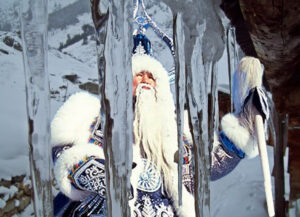
Türk, Altay ve Orta Asya mitolojisi, doğayla kurulan ilişkinin son derece güçlü, sembolik ve ritüel temelli olduğu kadim bir düşünce dünyasını yansıtır. Bu mitolojik evrende doğa yalnızca yaşanılan bir çevre değil; insan kaderini belirleyen, sınayan ve dönüştüren kutsal bir güçtür. Bu güçlerin başında ise kış ve soğuk gelir. İşte bu noktada Türk mitolojisinin en dikkat çekici figürlerinden biri olan Ayaz Ata, yalnızca bir mitolojik karakter değil; kışın, soğuğun, dayanıklılığın ve umutla hayatta kalmanın sembolü olarak karşımıza çıkar.
Türk, Altay ve Orta Asya mitolojilerinde “soğuk tanrısı” olarak da bilinen Ayaz Ata, özellikle Kazak ve Kırgız topluluklarında önemli ritüellerin merkezinde yer alır.
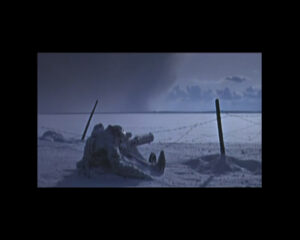
İnanışa göre Ayaz Ata, ay ışığından yaratılmıştır. Bu nedenle özellikle açık ve ayın parlak olduğu gecelerde ortaya çıkan keskin soğuğun kaynağı olarak görülür. Eski Türk kozmolojisinde “Ülker burcunun altı yıldızı göğün altı deliğidir; Ayaz Baba bu deliklerden soğuk hava üfler, böylece kış gelir” inancı yaygındır. Ayaz Ata’nın soğuğu, yok edici bir ceza değil; insanı sınayan, dayanıklılığını ölçen ve doğayla uyum içinde yaşamayı öğreten bir güçtür.
Türk inanışlarına göre Ayaz Ata, kışın en sert zamanlarında ortaya çıkar; kimsesizlere, yoksullara ve açlara yardım eder. Bu yönüyle Ayaz Ata, yalnızca soğuğun değil, aynı zamanda merhametin ve dayanışmanın da temsilcisidir.
Orta Asya İklimi ve Kışın Toplumsal Etkileri
Türklerin yoğun olarak yaşadığı Orta Asya coğrafyası, sert karasal iklimiyle bilinir. Kışlar uzun ve soğuk, yazlar ise ılık ve sıcak geçer. Konar-göçer yaşam süren Türk toplulukları için bu iklim, hayati riskler barındırıyordu. Aşırı soğuklar, don olayları, hayvan kayıpları ve kıtlık; ailelerin yaşlılarını, çocuklarını ve gençlerini kaybetmesine yol açabiliyordu.
Bu kayıplar, yalnızca fiziksel değil, toplumsal ve psikolojik yıkımlar da yaratıyordu. İşte bu nedenle Türkler, yaşadıkları her zorluğun mutlaka bir anlamı ve karşılığı olması gerektiğine inanmış; zamanla bu acı tecrübeleri ritüellere dönüştürerek umut ve yaşam sevincini diri tutmaya çalışmışlardır.
Gece ile Gündüzün Savaşı ve 22 Aralık İnancı
Eski Türk inanışına göre evrendeki her şey bir mücadele içindedir. Gece ile gündüz, karanlık ile aydınlık sürekli bir savaş hâlindedir. Bu mücadelenin en kritik anı ise 21 Aralık gecesi, yani yılın en uzun gecesidir.
İnanışa göre 22 Aralık’ta gece ile gündüz arasında büyük bir savaş yaşanır ve bu savaşın sonunda gündüz geceyi yenerek zafer kazanır. Gündüzlerin uzamaya başlaması, karanlığın gerilemesi ve ışığın yeniden hâkim olması; kış boyunca yaşanan kayıpların ve umutsuzluğun sona erdiğinin işareti olarak kabul edilirdi. Bu zafer, insanların yeniden normal yaşama dönmesini ve umutlarını tazelemesini sağlardı.
Faith Born from the Cold and the Tree of Life…
Turkic, Altai, and Central Asian mythology reflects an ancient world of thought in which the relationship with nature is extremely strong, symbolic, and ritual-based. In this mythological universe, nature is not merely an environment in which people live; it is a sacred power that determines, tests, and transforms human destiny. At the forefront of these powers stands winter and cold. It is precisely at this point that Ayaz Ata—one of the most striking figures of Turkic mythology—emerges not merely as a mythological character, but as a symbol of winter, cold, resilience, and surviving with hope.
Known as the “god of cold” in Turkic, Altai, and Central Asian mythologies, Ayaz Ata occupies a central place in important rituals, especially among Kazakh and Kyrgyz communities.
According to belief, Ayaz Ata was created from moonlight. For this reason, the sharp cold that appears especially on clear nights when the moon shines brightly is regarded as his work. In ancient Turkic cosmology, the belief that “the six stars of the Pleiades are the six holes of the sky; Ayaz Baba blows cold air through these holes, and thus winter comes” was widespread. The cold of Ayaz Ata is not a destructive punishment; it is a force that tests people, measures their resilience, and teaches them to live in harmony with nature.
According to Turkic beliefs, Ayaz Ata appears during the harshest times of winter and helps the lonely, the poor, and the hungry. In this respect, Ayaz Ata represents not only cold, but also compassion and solidarity.
The Central Asian Climate and the Social Effects of Winter
The Central Asian geography where Turks predominantly lived is known for its harsh continental climate. Winters are long and cold, while summers are mild and warm. For Turkic communities leading a nomadic life, this climate posed vital risks. Extreme cold, frost events, loss of livestock, and famine could lead families to lose their elders, children, and young people.
These losses caused not only physical but also social and psychological devastation. For this reason, Turks believed that every hardship they experienced must have a meaning and a counterpart; over time, they transformed these painful experiences into rituals in order to keep hope and the joy of life alive.
The Struggle Between Night and Day and the Belief of December 22
According to ancient Turkic belief, everything in the universe exists in a state of struggle. Night and day, darkness and light are in constant conflict. The most critical moment of this struggle is the night of December 21, the longest night of the year.
According to belief, on December 22 a great battle takes place between night and day, and at the end of this battle day defeats night and gains victory. The beginning of the lengthening of days, the retreat of darkness, and the renewed dominance of light were accepted as signs that the losses and hopelessness experienced throughout winter had come to an end. This victory enabled people to return to normal life and renew their hopes.
Akçam Ağacı ve Hayat Ağacı İnancı
Türklerin bu güçlü inancını pekiştiren en önemli sembollerden biri akçam ağacıdır. Türk mitolojisinde akçam, hayat ağacının yeryüzündeki karşılığıdır. Kışın yaprak dökmemesi, soğuğa direnç göstermesi ve uzun ömürlü olması nedeniyle yaşamın sürekliliğini simgeler.
İnanışa göre akçam ağacı, yeryüzünün tam ortasında bulunur. Kökleri yer altına, gövdesi yeryüzüne, dalları ise gökyüzüne uzanır. Böylece ağaç; yer, gök ve insan arasındaki bağı kuran kutsal bir eksen hâline gelir. Hayat ağacı motifi, Türk kültüründe kadınların dokuduğu kilimlerden giysilere kadar pek çok alanda karşımıza çıkar ve yaşamın köklü gücünü temsil eder.
Nardugan: Güneşin Doğuşu Bayramı
22 Aralık’ta gece ile gündüz savaşının gündüz lehine sonuçlanması, Nardugan Bayramı ile kutlanır. “Nar” güneşi, “Tugan/Dugan” ise doğuşu ifade eder. Nardugan, “Güneşin Doğuşu” anlamına gelir ve yeni bir başlangıcı simgeler.
Bu bayram öncesinde Türkler evlerini temizler, bayram günü en güzel giysilerini giyerlerdi. Tanrı Ülgen’e sunmak üzere hediyeler hazırlanır, şarkılar eşliğinde en yüksek ve görkemli akçam ağacının yanına gidilirdi. Akçam ağacının altında dualar edilir, hediyeler bırakılırdı.
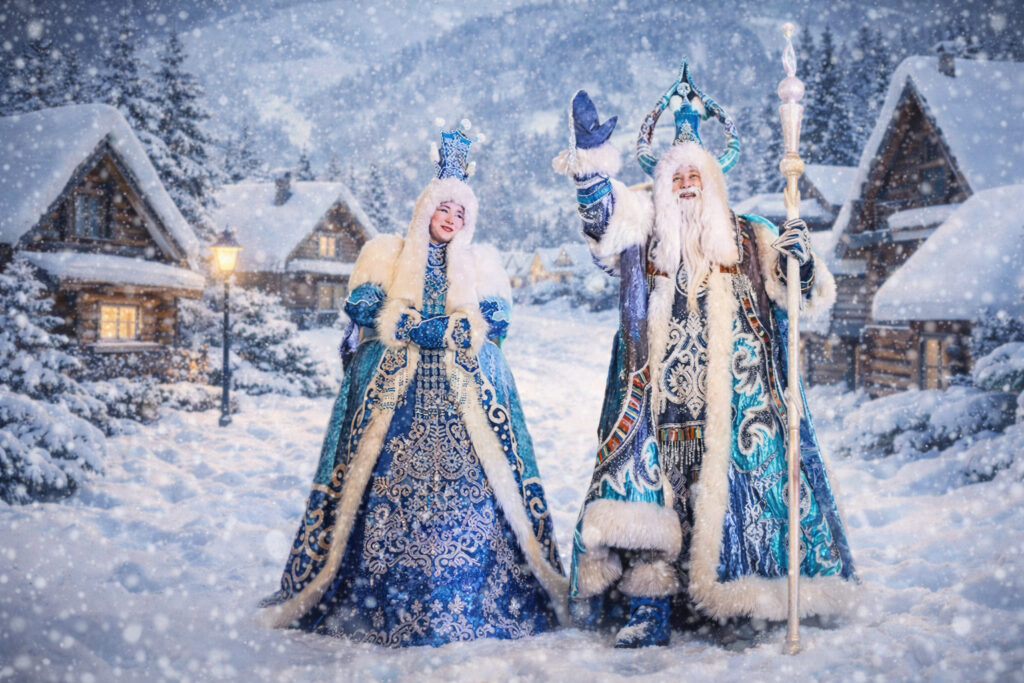
Bu ritüelde Ayaz Ata’nın yanında, torunu olarak kabul edilen Kar Kız da yer alırdı. Kar Kız; saflığın, bereketin ve temizliğin simgesiydi. Kadınlar ve genç kızlar, hayvan kılından dokudukları ve üzerinde hayat ağacı motifleri bulunan bantları akçam ağacının dallarına dilek dileyerek bağlarlardı.
Bu gelenek, günümüzde Anadolu’da türbe ve yatır ağaçlarına bez bağlama şeklinde hâlâ yaşamaktadır.
Ritüelin Kültürel Yayılımı ve Günümüze Etkileri
Türklerin Hristiyanlığı kabul etmesi ve Hunların Avrupa’ya göçüyle birlikte bu güçlü ritüel, farklı coğrafyalara taşındı. Akçam ağacı Filistin’de yetişmemesine rağmen, bu geleneğin Avrupa’ya kadar yayılması; Türklerin gittikleri her yere inançlarını da taşıdıklarının güçlü bir göstergesidir.
Zamanla bu ritüel farklı isimler altında yaşatılmış, çok sonraları İsa Peygamber’in doğumuyla ilişkilendirilmiştir. Oysa Nardugan ve Ayaz Ata ritüelinin Hristiyanlıkla doğrudan bir ilgisi yoktur. Bu ilişkilendirme, modern çağın yarattığı bir algıdır. Nitekim 19. yüzyılda Ayaz Ata figürü, Batı dünyasında Noel Baba kimliğine bürünerek karşımıza çıkmıştır.
Ayaz Ata, Ak Ayas ve Nardugan; Türklerin doğayla kurduğu derin ilişkinin, kış karşısındaki direncinin ve yaşamı kutsama biçiminin en güçlü göstergeleridir. İsimler değişmiş, ritüeller farklı coğrafyalarda yeni anlamlar kazanmış olabilir; ancak öz aynıdır:
Karanlık ne kadar sert olursa olsun, ışık mutlaka geri döner.
—————————————————
KAYNAKÇA;
Academia.edu
Kırgız Kültür Gazetesi
The Pine Tree and the Belief in the Tree of Life
One of the most important symbols reinforcing this strong belief of the Turks is the pine tree. In Turkic mythology, the pine is the earthly counterpart of the tree of life. Because it does not shed its leaves in winter, shows resistance to cold, and is long-lived, it symbolizes the continuity of life.
According to belief, the pine tree stands at the very center of the world. Its roots extend underground, its trunk rises on earth, and its branches reach toward the sky. Thus, the tree becomes a sacred axis connecting earth, sky, and humankind. The tree of life motif appears in many areas of Turkic culture, from the carpets woven by women to garments, and represents the deep-rooted power of life.
Nardugan: The Festival of the Birth of the Sun
The victory of day over night on December 22 is celebrated with the Nardugan Festival. “Nar” refers to the sun, and “Tugan/Dugan” means birth. Nardugan means “The Birth of the Sun” and symbolizes a new beginning.
Before this festival, Turks would clean their homes, and on the day of the celebration they would wear their finest clothes. Gifts would be prepared to present to the god Ülgen, and accompanied by songs they would go to the tallest and most magnificent pine tree. Prayers would be said beneath the pine tree, and gifts would be left there.
In this ritual, alongside Ayaz Ata, his granddaughter—known as Kar Kız—would also take part. Kar Kız symbolized purity, abundance, and cleanliness. Women and young girls would tie bands woven from animal hair and decorated with tree of life motifs onto the branches of the pine tree while making wishes.
This tradition still survives today in Anatolia in the form of tying cloths to trees at shrines and sacred sites.
The Cultural Spread of the Ritual and Its Influence Today
With the Turks’ adoption of Christianity and the migration of the Huns to Europe, this powerful ritual was carried to different geographies. The spread of this tradition as far as Europe—despite the fact that pine trees do not grow in Palestine—is a strong indication that Turks carried their beliefs with them wherever they went.
Over time, this ritual was preserved under different names and much later associated with the birth of Jesus Christ. However, Nardugan and the Ayaz Ata ritual have no direct connection with Christianity. This association is a perception created by the modern era. Indeed, in the 19th century, the figure of Ayaz Ata appeared in the Western world under the identity of Santa Claus.
Ayaz Ata, Ak Ayas, and Nardugan are the strongest manifestations of the Turks’ deep relationship with nature, their resistance to winter, and their way of sanctifying life. Names may have changed, and rituals may have acquired new meanings in different geographies; yet the essence remains the same:
No matter how harsh the darkness, light always returns.
——————————————————–
REFERENCES;
Academia.edu
Kırgız Kültür Gazetesi