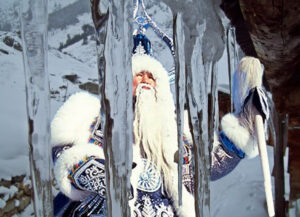
Nuh Tufanı’ndan Amazonlara, Atlantis söylencelerinden geleceğin Avrasya’sına kadar uzanan sayısız hikâye, on beş bin yıllık birikimiyle Karadeniz’den seslenir.
Kaynak: Rengin Adı: Karadeniz Belgesel Film Arşivi.
Bu materyal telif hakkı kapsamında olup yeniden kullanım için izin alınması gerekmektedir.
Source: Rengin Adı: Karadeniz Documentary Film Archive.
This material is protected by copyright and permission is required for any reuse.
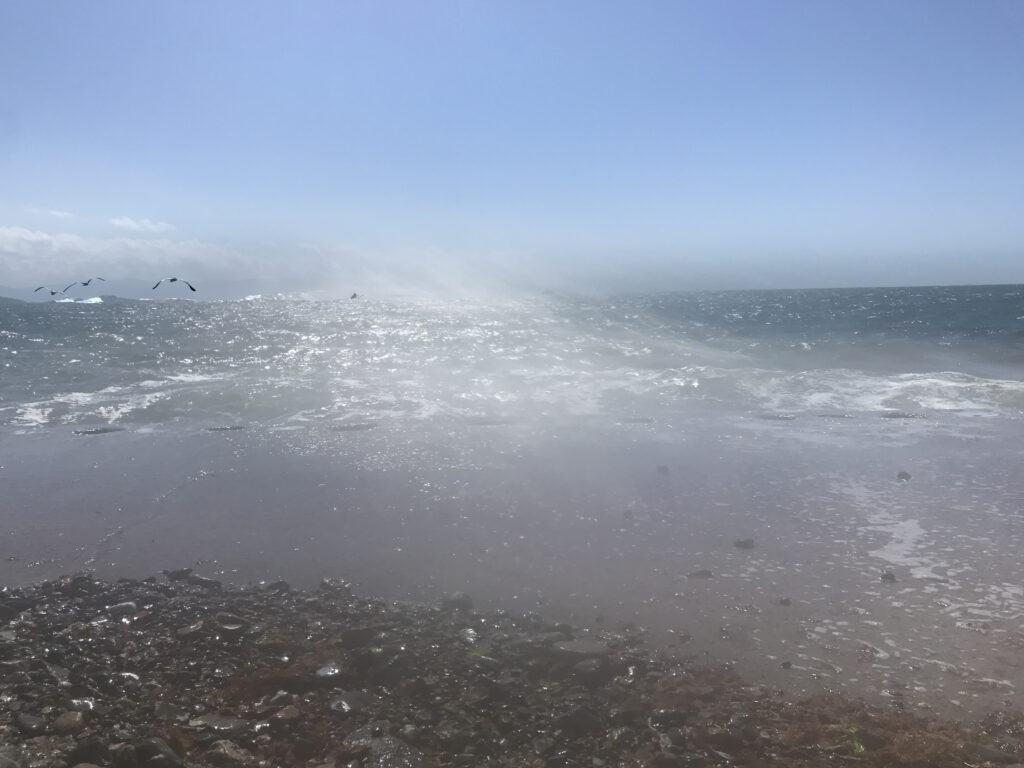
From the Flood of Noah to the Amazons, from the legends of Atlantis to the future of Eurasia, countless stories call out from the Black Sea, shaped by a heritage of fifteen thousand years.
Dalgaların Tarihi:
Binlerce yıllık bir özlemle vurur dalgalar Karadeniz kıyılarına.
Kıyıya ulaşan her dalga, tarihten kopup gelen bir adımı bırakır kumların üzerine.
Ve o kumların üstüne düşen her tohumdan yeni bir uygarlık filizlenir.
Karadeniz’in bereketiyle, Karadeniz’in renginde.
Kurulduğu günden bu yana sayısız olaya tanıklık eden yaşlı kıtamızın süzgecinden defalarca geçmiş en stratejik noktalardan biridir Karadeniz.
Karadeniz’in dalgalarında doğu ile batı buluşur. Kıyılarında ise kuzey ile güney.
Sınırlar, kültürler ve yollar burada kesişir. Karadeniz, renginde birleştirir tüm sınırları.
Nuh Tufanı’ndan Amazonlara, Atlantis söylencelerinden geleceğin Avrasya’sına kadar uzanan sayısız hikâye seslenir Karadeniz’den. On beş bin yıllık birikimiyle Karadeniz Havzası bu toprakların belleği, binlerce yıl süren göçlerle zenginleşen insan toplulukları ise bereketidir. İşte bu bellek ve bu bereket birlikte atmıştır uygarlığın temellerini Karadeniz kıyılarında.
The History of the Waves:
With a longing that has endured for thousands of years, the waves strike the shores of the Black Sea.
Each wave that reaches the coast leaves upon the sands a footprint carried from the depths of history.
And from every seed that falls upon those sands, a new civilization begins to grow.
With the abundance of the Black Sea, in the color of the Black Sea.
Since its formation, the Black Sea has been one of the most strategic points repeatedly filtered through the long history of our ancient continent, bearing witness to countless events.
Within the waves of the Black Sea, East meets West. Along its shores, North meets South.
Borders, cultures, and routes intersect here. The Black Sea unites all boundaries in its own color.
From the Flood of Noah to the Amazons, from the legends of Atlantis to the future of Eurasia, countless stories call out from the Black Sea. With its fifteen-thousand-year accumulation, the Black Sea Basin is the memory of these lands, and the human communities enriched by migrations over thousands of years are its abundance.
It is this memory and this abundance together that laid the foundations of civilization along the shores of the Black Sea.
TEK DENİZLİ DÜNYA: TETİS
Bundan yaklaşık 165 milyon yıl önce yeryüzünde tek bir kıta vardı.
Bu dev kıtanın tek bir denizi bulunuyordu: Tetis Denizi.
Zamanla değişen iklim koşulları ve hareket eden kıta parçaları Tetis’i ikiye ayırdı.
Güneyde Akdeniz oluştu. Kuzeyde ise Marmara, Karadeniz ve Hazar Denizi’ni içine alan kapalı bir iç deniz sistemi meydana geldi. Birçok göl ve denizin su yollarıyla birbirine bağlandığı bu geniş su dünyasına bilim insanları Paratetis adını verdi.
ONE-SEA WORLD: TETHYS
About 165 million years ago, there was a single continent on Earth.
This immense landmass was surrounded by a single sea: the Tethys Sea.
Over time, changing climatic conditions and the movement of continental plates divided the Tethys into two parts.
In the south, the Mediterranean Sea formed. In the north, a closed inland sea system emerged, including the Marmara Sea, the Black Sea, and the Caspian Sea.
Scientists named this vast aquatic world—where many lakes and seas were connected through waterways—Paratethys.
KURUYAN DENİZ: AKDENİZ’İN BÜYÜK SIRRI
Yaşlı kıtamızın milyonlarca yıl öncesine ait sırları Karadeniz’in derin sularında saklıdır. 1970 yılında Amerikan Scripps Oşinografi Enstitüsü tarafından yürütülen araştırmalarda Glomar Challenger adlı sondaj gemisi Akdeniz tabanında incelemeler yaptı. Ortaya çıkan sonuç bilim dünyasını şaşkına çevirdi. Yaklaşık 6 milyon yıl önce Akdeniz neredeyse tamamen kurumuştu. Bir zamanların dev denizi kısa bir dönem için dev bir çöl hâline gelmişti. Akdeniz milyon yıl boyunca Sahra’nın bağrında sessizce bekledi. Dalgalarının yerini kum fırtınaları aldı.
THE DRIED SEA: THE GREAT SECRET OF THE MEDITERRANEAN
The secrets of our ancient continent from millions of years ago are hidden in the deep waters of the Black Sea. In 1970, research conducted by the American Scripps Institution of Oceanography sent the drilling ship Glomar Challenger to investigate the floor of the Mediterranean. The results astonished the scientific world. About six million years ago, the Mediterranean Sea had almost completely dried up. For a brief period, what had once been a vast sea turned into an immense desert. For a million years, the Mediterranean waited silently in the heart of the Sahara. Sandstorms replaced the waves.
Kaynak: NASA Arşivi, Cebelitarık Boğazı
Source: NASA Archives, Strait of Gibraltar
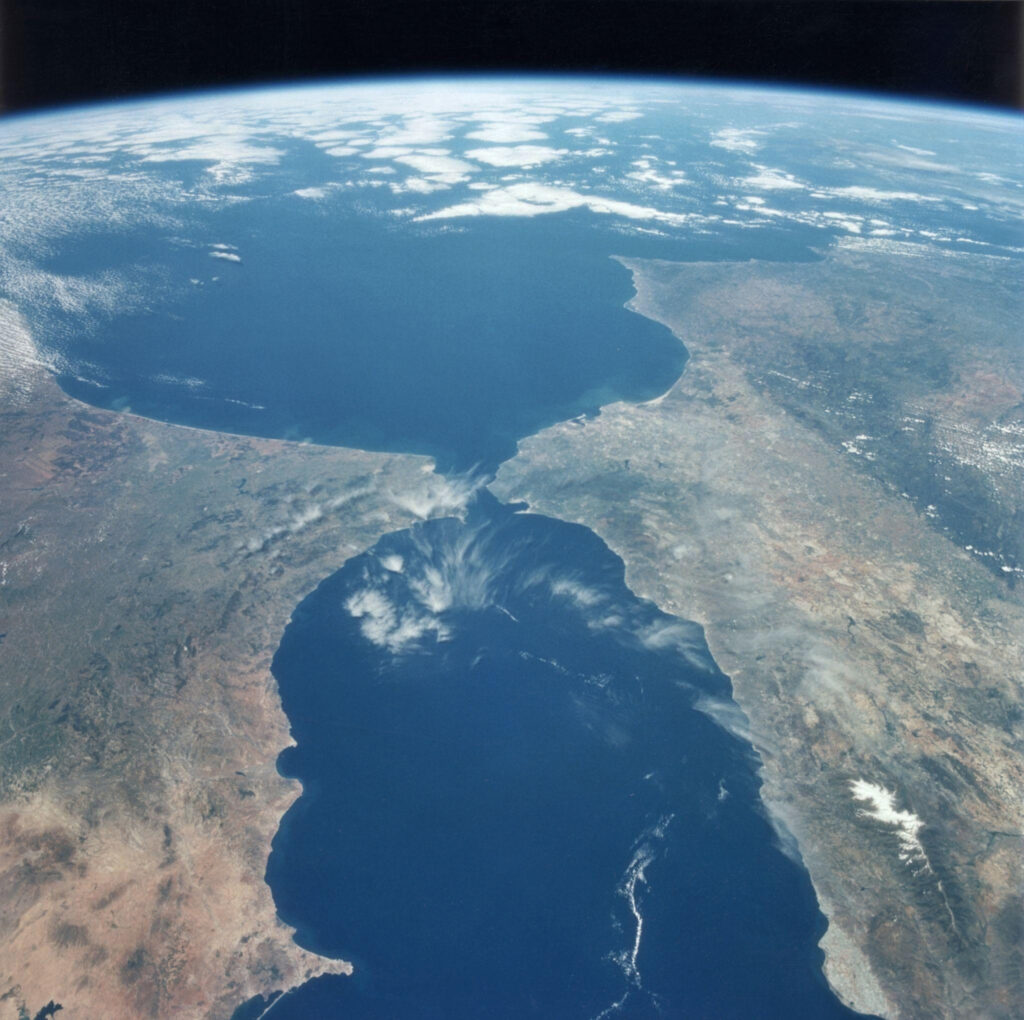
Sonra bir gün…
Cebelitarık Boğazı yarıldı.
Atlantik’in suları büyük bir şelale gibi çöle aktı.
Çöl yeniden deniz oldu.
Akdeniz yeniden doğdu.
Then one day…
The Strait of Gibraltar broke open.
The waters of the Atlantic poured into the desert like a great waterfall.
The desert became a sea once again.
The Mediterranean was reborn.
Nuh Tufanı Teorisi ve Karadeniz
Karadeniz’in geçmişine dair en dikkat çekici araştırmalardan biri Amerikalı yerbilimciler Walter Pitman ve William Ryan tarafından ortaya kondu.
Araştırmacılara göre her şey 120 bin yıl önce başladı. Buzul çağının etkisiyle dünya donmuştu. Deniz seviyeleri yaklaşık 120 metre düşmüştü. Ancak buzul çağının sonuna doğru kuzeydeki buzullar erimeye başladı. Bugünkü Rusya topraklarından doğan akarsular güneye doğru akarak Karadeniz’e döküldü. O dönemde Karadeniz büyük bir tatlı su gölü durumundaydı.
On üç bin yıl boyunca bu tatlı sular Karadeniz’i doldurdu. Ta ki Akdeniz’in suları yeniden Karadeniz’e ulaşana kadar.
The Noah’s Flood Theory and the Black Sea
One of the most striking studies about the past of the Black Sea was proposed by American geoscientists Walter Pitman and William Ryan. According to the researchers, everything began about 120,000 years ago.
Under the influence of the Ice Age, the world was frozen. Sea levels had dropped by approximately 120 meters. However, toward the end of the Ice Age, the glaciers in the north began to melt. Rivers rising from what is today Russian territory flowed southward and emptied into the Black Sea.
At that time, the Black Sea was a vast freshwater lake. For thirteen thousand years, these fresh waters filled the Black Sea—until the waters of the Mediterranean reached it once again.
İki Deniz Arasındaki Büyük Akış:
İklim değişimleri ve yükselen sular sonunda iki denizi yeniden buluşturdu. Akdeniz’in suları dev bir şelale gibi Karadeniz’e akmaya başladı. Bu akışın yaklaşık bin gün sürdüğü tahmin edilmektedir.
Ancak ilginç bir durum ortaya çıktı. Akdeniz’in tuzlu suları Karadeniz’in tatlı sularıyla tam olarak karışmadı. Yoğunluğu yüksek olan tuzlu su derinlerde kaldı. Böylece Karadeniz’in yaklaşık 150–200 metre derinliğinden sonra başlayan dev hidrojen sülfür tabakası oluştu.
Bugün Karadeniz’in derinlikleri bu nedenle oksijensizdir.
The Great Flow Between Two Seas:
Climate changes and rising waters eventually brought the two seas together once again. The waters of the Mediterranean began to pour into the Black Sea like a massive waterfall. This flow is estimated to have lasted for about a thousand days.
However, an unusual situation emerged. The salty waters of the Mediterranean did not fully mix with the fresh waters of the Black Sea. The denser saltwater remained in the deeper layers. As a result, a vast hydrogen sulfide layer formed below approximately 150–200 meters in the Black Sea.
For this reason, the deep waters of the Black Sea today are largely devoid of oxygen.
Uygarlığın Kıyısındaki İnsan:
Binlerce yıl boyunca Karadeniz’in suları kimi zaman yükseldi, kimi zaman çekildi. Karadeniz’in etrafındaki yaşam da bu değişimlere uyum sağladı.
Tatlı suyla dolu geniş kıyılar, verimli ovalar ve bereketli deltalar insan toplulukları için ideal bir yaşam alanıydı. İnsanlar bu topraklara yerleşti. Toprağı sürdü, tohum ekti, uygarlığın ilk izlerini bıraktı.
Bazı araştırmalara göre yükselen sular karşısında daha yüksek yerlere ulaşmak için yeryüzündeki ilk sallar bile bu bölgede yapılmış olabilir.
Humans on the Edge of Civilization:
For thousands of years, the waters of the Black Sea sometimes rose and sometimes receded. Life around the Black Sea adapted to these changes.
Wide shores filled with fresh water, fertile plains, and abundant deltas created an ideal living environment for human communities. People settled in these lands. They cultivated the soil, sowed seeds, and left the first traces of civilization.
According to some studies, the first rafts on Earth may even have been built in this region, as people sought to reach higher ground in the face of rising waters.
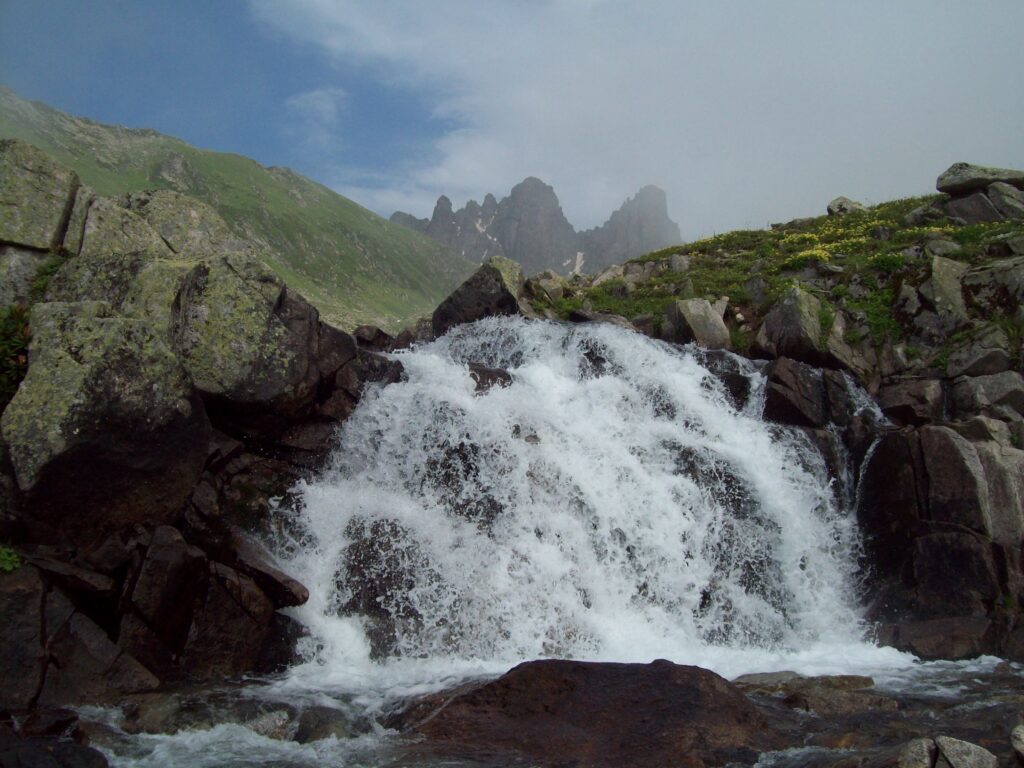
Kaynak: Rengin Adı: Karadeniz Belgesel Film Arşivi.
Bu materyal telif hakkı kapsamında olup yeniden kullanım için izin alınması gerekmektedir.
Source: Rengin Adı: Karadeniz Documentary Film Archive.
This material is protected by copyright and permission is required for any reuse.
Göçlerin Başladığı Yer:
Buzul çağının sona ermesiyle birlikte sular yeniden yükseldi.
Ve insanlık tarihinin en büyük göçlerinden biri başladı.
Doğudan batıya…
Kuzeyden güneye…
Karadeniz çevresindeki topluluklar yeni topraklara doğru yayıldı.
Uygarlığın tohumları Anadolu’ya, Mezopotamya’ya ve Akdeniz kıyılarına taşındı.
The Place Where Migrations Began:
With the end of the Ice Age, the waters began to rise once again.
And one of the greatest migrations in human history began.
From east to west…
From north to south…
Communities around the Black Sea spread toward new lands.
The seeds of civilization were carried to Anatolia, Mesopotamia, and the coasts of the Mediterranean.
Kaynak: Rengin Adı: Karadeniz Belgesel Film Arşivi.
Bu materyal telif hakkı kapsamında olup yeniden kullanım için izin alınması gerekmektedir.
Source: Rengin Adı: Karadeniz Documentary Film Archive.
This material is protected by copyright and permission is required for any reuse.

Karadeniz’in Efsaneleri: Altın Post:
Karadeniz yalnızca bilimsel araştırmaların değil, efsanelerin de merkezidir.
Bu efsanelerin en ünlülerinden biri Altın Post hikâyesidir. Ölümsüzlük bahşedilmiş altın postlu bir koçun postu… Kutsal bir meşe ağacına asılan bu postu ele geçirmek için verilen mücadeleler ve maceralar…Argonotların yolculuğu…
Bu efsane yüzyıllar boyunca Karadeniz kıyılarında anlatıldı.
Zamanla Altın Post efsanesi unutuldu. Ama yerini yeni bir “altın post” aldı.
Karadeniz’in derinliklerinde saklı olan enerji kaynakları.
Legends of the Black Sea: The Golden Fleece:
The Black Sea is not only the focus of scientific research but also a center of legends.
One of the most famous of these legends is the story of the Golden Fleece — the fleece of a ram with golden wool that was granted immortality. Hung upon a sacred oak tree, this fleece became the object of great struggles and adventures to obtain it… and the legendary journey of the Argonauts.
For centuries, this legend was told along the shores of the Black Sea.
Over time, the legend of the Golden Fleece faded.
But it was replaced by a new “golden fleece” — the energy resources hidden in the depths of the Black Sea.
Avrasya’nın Kilidi:
Karadeniz’i anlamak yalnızca bugünün sorunlarına bakmakla mümkün değildir.
Bu denizi anlamak için onun derin tarihine, efsanelerine ve renklerine bakmak gerekir. Çünkü Karadeniz yalnızca bir deniz değildir.
Bir uygarlık kavşağıdır. Bugün de dünyanın en stratejik bölgelerinden biridir.
Avrasya’nın kapısıdır.
Ve belki de geleceğin, yeni dünya düzeninin anahtarlarından biri.
Karadeniz’in rengi bu yüzden yalnızca bir coğrafyanın rengi değildir. O renk, yüzyılların deneyimini taşıyan bir hafızadır.
Ve bazen…
O hafıza simsiyahtır.
The Key of Eurasia
Understanding the Black Sea cannot be achieved by looking only at today’s issues.
To understand this sea, one must look into its deep history, its legends, and its colors. Because the Black Sea is not merely a sea.
It is a crossroads of civilizations. Even today, it remains one of the most strategic regions in the world.
It is the gateway to Eurasia.
And perhaps one of the keys to the future — to a new world order.
For this reason, the color of the Black Sea is not simply the color of a geography. That color is a memory carrying the experience of centuries.
And sometimes…
that memory is pitch black.